Creating customized loyalty programs using the Loyalty Levers framework.
Boost customer retention and drive growth with smarter loyalty consulting. We create tailored, data-driven strategies that enhance customer engagement, build stronger relationships, and deliver measurable results, helping your business stand out and thrive in a competitive market
Loyalty programs have become an essential tool for businesses looking to build long-term customer relationships, drive repeat purchases, and enhance brand engagement. However, not all loyalty programs deliver the desired return on investment (ROI). Many fail due to poor design, lack of differentiation, or insufficient customer engagement. This is where Loyalty Levers, a proprietary framework developed from over 25 years of experience, comes into play. By optimizing the three key Loyalty Levers, businesses can create highly effective, customized loyalty programs that maximize engagement, drive behavior, and build lasting loyalty sentiment.
Understanding the Loyalty Levers Framework
The Loyalty Levers framework is built around three essential components that determine the success of a loyalty program:
Engagement Levers – Ensuring customers actively participate and interact with the program.
Behavioral Levers – Driving desired actions, such as increased spending, higher purchase frequency, or brand advocacy.
Sentiment Levers – Building an emotional connection with customers that fosters true brand loyalty.
By strategically optimizing these three levers, businesses can develop loyalty programs that not only attract members but also drive meaningful and measurable business outcomes.
Step-by-Step Approach to Designing a Customized Loyalty Program
1. Data-Driven Program Design
The first step in creating a loyalty program using the Loyalty Levers framework is analyzing customer data. This includes purchase behavior, engagement patterns, and demographic insights. A thorough data analysis helps identify key opportunities, allowing businesses to design a program that aligns with customer needs and business goals.
2. Defining the Right Program Structure
Different businesses require different loyalty models. Some may benefit from a points-based system that rewards frequent purchases, while others may see better results from a tiered membership model that provides exclusive benefits to high-value customers. Subscription-based programs, gamification mechanics, and CRM-driven personalization can also play a role in determining the most effective program structure.
3. Optimizing Engagement Levers
To drive participation, loyalty programs must be easy to use and provide clear, compelling benefits. Engagement levers include:
Seamless omnichannel experiences – Mobile apps, in-store, and online integration.
Personalized offers and rewards – Using customer data to create relevant incentives.
Gamification and interactive challenges – Encouraging participation through fun and engaging mechanics.
4. Driving Desired Behavior with Behavioral Levers
To achieve measurable business impact, loyalty programs must be designed to influence customer behavior. Behavioral levers include:
Bonus rewards for specific actions – Encouraging high-margin product purchases.
Limited-time offers and seasonal incentives – Driving urgency and incremental spending.
Partner-based rewards – Expanding program reach through strategic collaborations.
5. Building Emotional Loyalty with Sentiment Levers
A truly successful loyalty program goes beyond transactions and fosters emotional connections with customers. Sentiment levers include:
Exclusive access and VIP treatment – Special perks for top-tier members.
Brand-aligned rewards – Offering experiences that resonate with customers’ values.
Community-building initiatives – Encouraging customer interaction and brand advocacy.
Measuring Success and Continuous Optimization
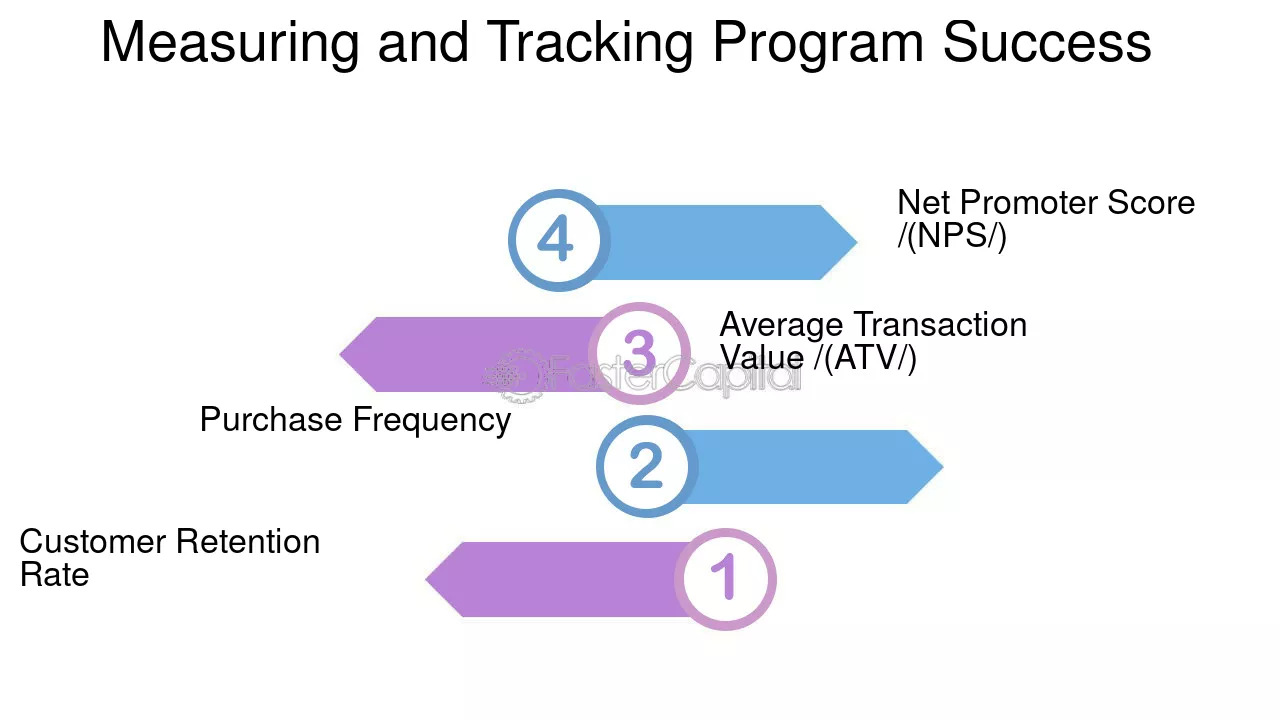
Using a Balanced Scorecard approach, businesses can track the performance of their loyalty programs across multiple KPIs, including customer engagement, incremental revenue, and sentiment scores. Regular optimization ensures the program remains relevant and impactful over time.
By leveraging the Loyalty Levers framework, businesses can create customized loyalty programs that not only drive repeat purchases but also build long-term, meaningful customer relationships.